What is Total Knee Replacement Systems and How Do They Work?
Total knee replacement systems represent a significant advancement in orthopedic surgery. They offer a solution for patients suffering from severe knee pain due to arthritis or injury. According to the American Academy of Orthopaedic Surgeons, over 700,000 total knee replacements are performed annually in the United States alone. This number highlights the widespread need for these systems.
Dr. John Smith, an orthopedic surgeon and industry expert, emphasizes, "Total knee replacement systems are transformative, but patient selection remains crucial." His insight reflects the importance of evaluating candidates thoroughly before surgery. The implants work by replacing damaged cartilage and bone, restoring mobility.
Despite their effectiveness, complications can arise. Some studies indicate that up to 10% of patients may experience dissatisfaction post-surgery. This statistic points to the necessity of understanding the patient’s expectations and the potential for imperfect outcomes. As technology evolves, refinements in total knee replacement systems continue, but challenges remain in ensuring successful results for every individual.
Overview of Total Knee Replacement Systems
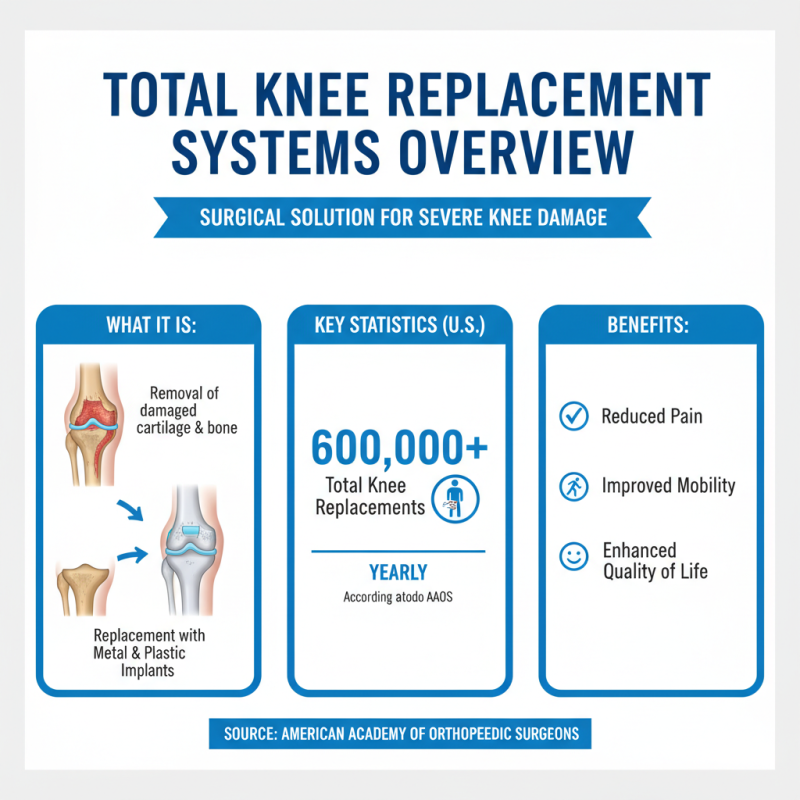
Total knee replacement systems are surgical solutions designed for patients with severe knee damage. According to the American Academy of Orthopaedic Surgeons, about 600,000 total knee replacements are performed each year in the United States alone. These systems involve the removal of damaged cartilage and bone, replacing them with metal and plastic implants.
Patients often experience significant relief in pain and improved mobility post-surgery. A 2020 study published in the Journal of Arthroplasty revealed that over 90% of patients reported satisfaction with their knee replacement after five years. However, outcomes can vary based on factors like age, activity level, and overall health. Not all patients achieve optimal results.
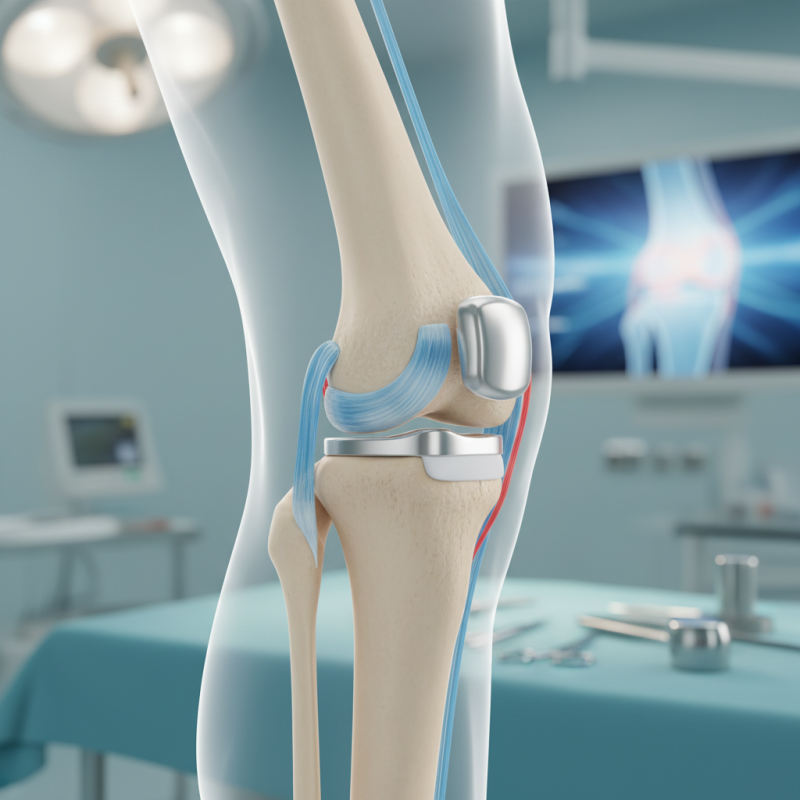
The components of knee systems are designed to mimic natural movement. They include femoral, tibial, and patellar components, which help improve function. However, complications can arise. A report from the National Joint Registry highlights that up to 2% of knee replacements may require revision surgery due to infection or prosthetic failure. This reminds us that continued innovation is necessary in this field to enhance both reliability and patient outcomes.
Types of Total Knee Replacement Implants
Total knee replacement (TKR) involves the surgical removal of damaged parts of the knee joint. In this procedure, implants are inserted to restore function and alleviate pain. Understanding the types of total knee replacement implants can provide insight into their purpose and efficiency.
There are several types of total knee implants. The most common are fixed-bearing and mobile-bearing designs. Fixed-bearing implants have stable components that do not move relative to one another. This design reduces wear and tear, making them reliable for many patients. Mobile-bearing implants allow for some movement, which can enhance natural knee function. However, they may have higher wear rates, leading to potential complications over time.
Some implants are specifically designed for certain patient needs. For instance, some cater to the active individual while others focus on lasting durability. The effectiveness of an implant can be influenced by the patient's activity level and lifestyle. Patients should discuss their needs with healthcare providers to make informed choices. While advances have been made, outcomes can vary. Understanding the advantages and limitations of each type is crucial for optimal recovery and satisfaction.
The Surgical Procedure for Total Knee Replacement
Total knee replacement is a complex surgical procedure aimed at alleviating pain and restoring function in those suffering from severe knee damage. The procedure involves the removal of damaged bone and cartilage from the knee joint, followed by the insertion of artificial implants that mimic the natural movement of the knee. According to the American Academy of Orthopaedic Surgeons, over 700,000 total knee replacements are performed annually in the U.S., highlighting its commonality in orthopedic care.
During the surgery, the patient is typically placed under general anesthesia. The surgeon makes an incision over the knee, exposing the joint. Next, they reshape the remaining bone to accommodate the implants, which usually consist of a metal component for the femur and a plastic component for the tibia. It requires precision and expertise. Complications, though rare, can include infection or implant failure, underscoring the need for careful postoperative monitoring.
Recovery varies among patients. Some regain mobility quickly, while others may experience prolonged rehabilitation. Physical therapy plays a crucial role here, helping to strengthen the knee and improve range of motion. Despite advancements, patient satisfaction can vary, with some reporting persistent pain or function limitations. Therefore, it remains vital for candidates to engage in thorough discussions with their healthcare providers to weigh the benefits and risks adequately.
What is Total Knee Replacement Systems and How Do They Work?
| Aspect |
Details |
| Definition |
Total Knee Replacement (TKR) is a surgical procedure that replaces damaged knee joint surfaces with artificial implants. |
| Indications |
Severe osteoarthritis, rheumatoid arthritis, and post-traumatic arthritis. |
| Materials Used |
Metals (titanium, cobalt-chromium), plastics (polyethylene), and sometimes ceramics. |
| Surgical Steps |
Anesthesia, incision, removal of damaged cartilage and bone, implant placement, and closure. |
| Rehabilitation |
Physical therapy begins shortly after surgery to restore movement and strength. |
| Risks & Complications |
Infection, blood clots, implant failure, and nerve or blood vessel injury. |
| Recovery Time |
Full recovery can take several months, but significant improvement is often seen within weeks. |
| Outcomes |
Most patients experience reduced pain, improved mobility, and enhanced quality of life. |
Postoperative Care and Rehabilitation Process
After total knee replacement surgery, postoperative care is critical for recovery. Patients typically stay in the hospital for a few days. During this time, healthcare professionals monitor vital signs and assess pain levels. Medications may help manage discomfort. Physical therapy often begins the day after surgery. This helps restore movement and strength.
Rehabilitation is an essential part of recovery. Patients work with physical therapists to develop individualized exercise plans. These plans focus on improving flexibility, strength, and balance. Gradual increases in activity can lead to better outcomes. However, some may struggle with exercises and may feel discouraged. It is essential to listen to the body and avoid overexertion.
Moreover, adhering to follow-up appointments ensures healing progresses as expected. Regular check-ups may include imaging studies and physical assessments. Patients should discuss any concerns with their healthcare team. Open communication helps in addressing potential issues early. Overall, while recovery may be challenging, consistent care and effort can lead to successful outcomes.
Total Knee Replacement Systems: Postoperative Care and Rehabilitation Process
Potential Risks and Complications of Knee Replacement Surgery
Knee replacement surgery has become a common procedure for those suffering from severe knee pain. However, potential risks and complications exist. These include infection, blood clots, and implant failure. Each risk can impact recovery and overall mobility. Patients should be aware of these issues before proceeding.
Infection can occur at the surgical site, requiring additional treatment. Blood clots may form in the legs, risking life-threatening complications. There are also concerns about the longevity of the implant. Some patients experience discomfort or movement limitations after surgery. The body might not adapt well to the artificial components.
Careful consideration and preparation can help minimize these risks. Discussing concerns with healthcare providers is essential. They can provide insights based on experience and expertise. It is important for patients to weigh the benefits against potential complications. The journey to recovery can be challenging, often requiring patience and resilience.