Top 10 PCR Instruments for Global Buyers in 2026?
In the fast-evolving field of molecular biology, choosing the right PCR instrument is crucial for accurate and reliable results. As global buyers navigate the landscape of PCR technology, understanding the features and functions of these instruments becomes vital. PCR instruments vary significantly in design, functionality, and cost. This diversity can lead to confusion among potential buyers.
Many factors influence the decision-making process, such as throughput capacity, temperature precision, and user interface. High-performance PCR instruments often come with advanced features, while budget options may sacrifice capabilities. Buyers should be aware that cost does not always correlate with quality. It's essential to evaluate a product thoroughly before making a purchase. Reviews and laboratory experiences can guide decisions, but they may also reflect subjective opinions.
As we approach 2026, innovation in PCR technology is expected to accelerate. New advancements may redefine how laboratories operate. While the market will present abundant choices, making an informed decision will remain a challenge for many. The right PCR instrument can enhance research efficiency and provide reliable data, but thorough research and reflection are needed to choose wisely.
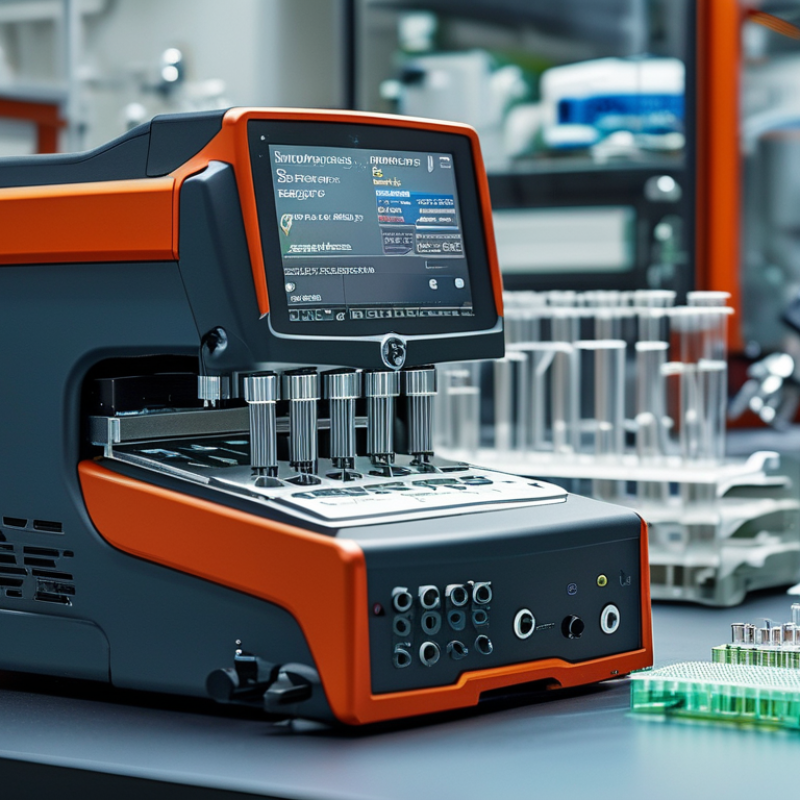
Top Considerations for Selecting PCR Instruments in 2026
When selecting PCR instruments in 2026, buyers should focus on several key factors. The accuracy of thermal cycling is paramount. Fluctuations in temperature can affect results dramatically. Look for instruments that offer precise and consistent temperature control. This ensures reliable amplification of DNA samples.
Another important consideration is ease of use. User-friendly interfaces will save time and reduce errors. A clear display and intuitive programming can enhance the workflow. Moreover, the size and portability of the instrument might influence its usability in different lab settings. Compact designs can be beneficial for space-constrained environments.
Finally, think about the scalability of the instruments. As research evolves, future needs may expand. A system that can be easily upgraded or is compatible with various assays is vital. Yet, budget constraints often lead to tough decisions. Weighing short-term costs against long-term benefits can be challenging. Balancing these aspects while ensuring quality and reliability is essential for making an informed decision.
Analysis of Market Trends in PCR Technology and Equipment
The PCR technology landscape is evolving rapidly. As researchers seek faster and more accurate results, the demand for advanced instruments is increasing. In 2026, we expect innovations that enhance efficiency and precision in PCR processes. This shift is driven by a growing emphasis on molecular diagnostics and personalized medicine.
New instruments are focusing on user-friendliness and automation. Lab professionals are increasingly looking for systems that streamline workflows while delivering reliable results. These advances must also cater to varying research needs, from clinical settings to academic labs. However, challenges remain. Not all labs may have access to the latest technology due to budget constraints.
Data management is another critical area. Integrating software with PCR instruments can improve data analysis and sharing. Yet, there may be compatibility issues. Researchers need to stay aware of these potential pitfalls. Open communication about experiences and challenges can foster a more collaborative environment, ultimately refining the technology landscape.
Comparative Review of Leading PCR Instruments Based on Performance Metrics
The landscape of PCR instruments is evolving. In 2026, leading manufacturers will be crucial in defining performance metrics. Researchers seek instruments that offer speed, accuracy, and user-friendly interfaces. Recent industry reports show that devices prioritizing flexibility and scalability are highly favored, with a noted 35% increase in demand for real-time PCR technology.
Performance metrics often include amplification efficiency and sensitivity. Instruments with higher sensitivity can detect lower concentrations of target DNA. Data indicates that top-tier devices boast a sensitivity rate exceeding 95%. However, price remains a significant barrier for some users. Many instruments, while advanced, fail to justify their costs in the eyes of budget-conscious labs, prompting a reevaluation of what features are most essential.
User feedback highlights the learning curve associated with some advanced PCR systems. Simplicity and intuitive design are often overlooked in feature-rich models. A balance of innovation and user accessibility is vital. Performance can suffer when users are not adequately trained. This gap in usability may slow the adoption of potentially groundbreaking technologies in diverse laboratory environments.
Cost-Benefit Assessment of PCR Instruments for Global Buyers
The PCR instrument market is evolving rapidly. As a global buyer, balancing cost and performance is essential. Investing in high-quality PCR machines can significantly impact your lab's efficiency. The initial cost might be high, but the long-term benefits often outweigh this. Many advanced models offer faster results and increased accuracy, making them a wise choice.
When assessing cost-benefit, consider the total cost of ownership. Maintenance, accessories, and consumables add to expenses. Cheaper machines may save money upfront, but their ongoing costs can escalate. It's vital to evaluate warranty periods and service agreements, as these can affect your overall budget. Reflect on how long you plan to use the equipment. Pay attention to the instrument's lifecycle and potential for upgrades.
In choosing the right PCR instrument, think about your specific needs. Do you require high-throughput capabilities or specific temperature controls? Different applications might need tailored solutions. Aim for instruments that provide flexibility and scalability. Research user reviews and seek feedback from your peers. Their experiences can offer valuable insights.
Future Innovations and Emerging Technologies in PCR Instrumentation
The future of PCR instrumentation holds exciting possibilities. With emerging technologies, we can expect improvements in speed and accuracy. Innovations like digital PCR and microfluidics could transform how samples are processed. These advancements promise higher sensitivity and lower contamination risks.
One significant area of exploration is thermal cycling efficiency. New designs may enhance heat transfer, allowing for faster PCR cycles. This change could dramatically reduce waiting times in labs. Moreover, integrating artificial intelligence into these instruments could optimize protocols. Such innovations will help scientists make better decisions based on real-time data.
Keep an open mind when evaluating new instruments. A shiny new model might not always be the best fit for your needs. Assess user reviews and research findings to stay informed. Compatibility with existing laboratory systems is crucial. Thorough testing can reveal potential challenges in usability.


