What is Sleep Monitoring Technology and How Does It Work?
Sleep Monitoring Technology has transformed the way we understand and manage sleep health. According to a report by Grand View Research, the global sleep tech market is expected to reach USD 82.0 billion by 2025. This growth highlights the increasing emphasis on health and wellness. Many users seek efficient solutions to improve their sleep quality through technology.
Dr. Mark Wu, a renowned sleep scientist, states, "Sleep monitoring devices empower individuals to take control of their sleep." His expertise underscores the importance of actionable data provided by these technologies. Sleep Monitoring Technology includes devices like wearables, smart mattresses, and smartphone apps. They track various metrics, such as sleep duration and quality, helping users identify patterns and make necessary adjustments.
Despite the benefits, many users report confusion over the data interpretation. This gap can lead to misinformed decisions regarding sleep habits. Continuous advancements can enhance user experience and accuracy. However, it is crucial to remain critical of how this technology affects individual sleep behaviors and overall health. Balancing innovation with a deep understanding of sleep needs is vital in this evolving field.
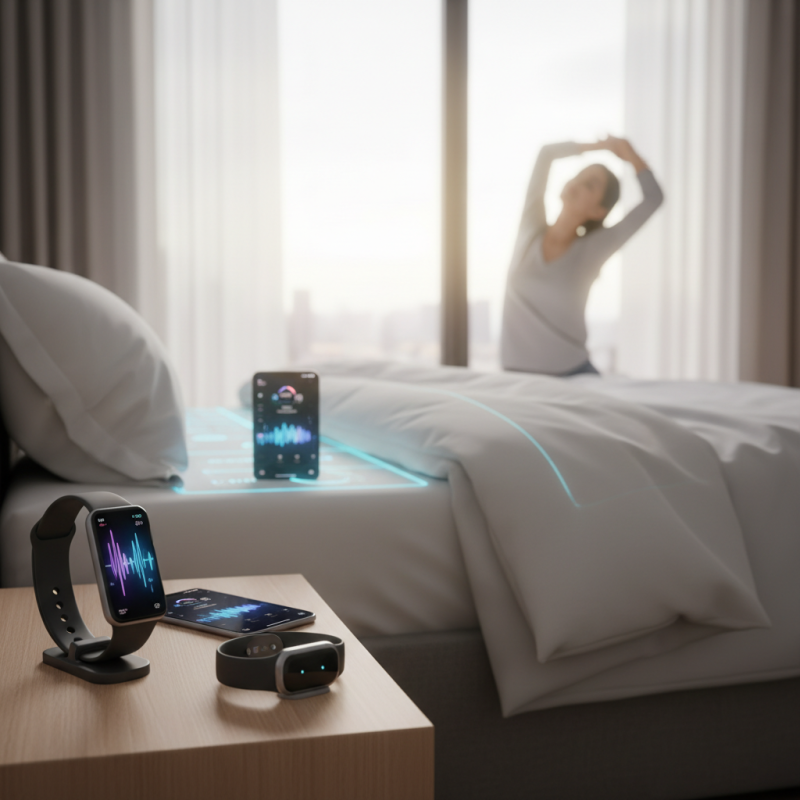
What is Sleep Monitoring Technology?
Sleep monitoring technology has evolved significantly over the years. It encompasses various tools and devices designed to track sleep patterns, quality, and duration. According to a report by the American Academy of Sleep Medicine, approximately 50 to 70 million adults in the U.S. suffer from sleep disorders. This statistic highlights the growing need for effective sleep monitoring solutions.
These technologies utilize sensors and algorithms to capture data while you sleep. Common devices include wearables like smartwatches and dedicated sleep trackers. They measure heart rate, movement, and even body temperature. A recent study from the National Sleep Foundation indicates that over 30% of users report improved sleep quality after utilizing such technologies. However, the data's accuracy can vary significantly. Users may feel overwhelmed by the information presented.
Interpreting sleep data can be challenging. Many devices categorize sleep stages, yet individuals may misinterpret their results. For example, a person might see less REM sleep and worry about health issues. While data can provide insights, it isn’t a substitute for professional advice. Managing anxiety over sleep can be detrimental. Sleep monitoring technology can assist, but it’s just one piece of a complex puzzle.
The Importance of Sleep Monitoring in Health Management
Sleep monitoring is crucial for health management. Tracking sleep patterns helps people understand their sleep quality. It reveals vital information such as duration, cycles, and disturbances. Knowledge about one’s sleep can lead to better overall well-being.
With sleep-related issues on the rise, monitoring technology plays an essential role. It can identify patterns that may lead to health issues. For instance, frequent awakenings might indicate stress or sleep apnea. Addressing these issues early can prevent serious health complications later.
However, not all sleep monitoring is perfect. Some devices may provide inaccurate data or fail to capture subtle changes. Users should approach results with caution. Reflecting on personal experiences with sleep can deepen understanding. Ultimately, staying informed empowers individuals to take control of their health.
How Sleep Monitoring Devices Work: Sensors and Algorithms
Sleep monitoring devices have transformed the way we understand our sleep patterns. These devices use advanced sensors and algorithms to collect data about our sleep quality. They track various parameters, including heart rate, movement, and breathing patterns. According to a report by the National Sleep Foundation, around 30% of adults suffer from sleep issues. This highlights the growing need for effective sleep monitoring solutions.
The sensors in these devices typically include accelerometers and heart rate monitors. Accelerometers detect movement during sleep, helping to determine sleep stages. Heart rate monitors provide insights into how well the body rests. Algorithms process this data, producing a comprehensive picture of the user's sleep quality. A study by the Journal of Clinical Sleep Medicine indicates that effective sleep tracking can improve sleep hygiene and overall health.
Despite their usefulness, these technologies are not infallible. Some devices may misinterpret movement and classify it incorrectly. This could lead to an inaccurate assessment of sleep quality. Moreover, reliance on technology can make one overly focused on sleep metrics, causing anxiety. Balancing the benefits of sleep monitoring while recognizing its limitations is crucial for achieving restful sleep.
Types of Sleep Monitoring Technologies: Wearables vs. Non-Wearables
Sleep monitoring technology has evolved significantly, offering a range of options for tracking sleep patterns. Two main types exist: wearables and non-wearable devices.
Wearables, like smartwatches or fitness trackers, gather data directly from your body. They measure heart rate, movement, and other physiological signals. This data helps users understand their sleep quality and quantity. Many find these devices helpful, but some feel they can be intrusive.
Non-wearable technologies, on the other hand, often utilize sensors placed around the bedroom. These devices monitor environmental factors such as noise, temperature, and light levels. They analyze sleep stages without requiring the user to wear anything. This can create a more natural sleeping experience. However, the accuracy may vary based on how well the device correlates environmental data with actual sleep quality.
Both types have pros and cons. Wearables provide precise individual metrics but may disrupt sleep for some. Non-wearables can track broader sleep trends but may miss personal insights.
Ultimately, the choice depends on individual preferences and lifestyle. It's essential to weigh the benefits against potential drawbacks before integrating these technologies into your nighttime routine.
Interpreting Sleep Data: Understanding Sleep Stages and Quality
Understanding sleep data is crucial for improving sleep quality. Sleep monitoring technology analyzes various metrics to provide insights into your sleep patterns. This technology tracks heart rate, body movements, and breathing patterns. Through these metrics, it can determine different sleep stages: light sleep, deep sleep, and REM sleep.
Interpreting these stages reveals much about overall sleep quality. Light sleep is essential for mental and physical recovery. Deep sleep consolidates memory and supports bodily repair. REM sleep is critical for emotional regulation and creativity. By knowing how much time is spent in each stage, one can identify disturbances. For example, frequent awakenings during deep sleep may signal stress or an uncomfortable sleeping environment.
While these tools provide valuable insights, they are not infallible. The accuracy of sleep data can vary significantly. Factors like sleep disorders or poor sensor placement can affect readings. Therefore, it's essential to approach sleep data critically. Reflection on personal sleep habits can enhance the interpretation of this technology. What do the numbers really mean for your well-being? Exploring these questions can lead to healthier sleep practices.
What is Sleep Monitoring Technology and How Does It Work?
| Sleep Stage | Duration (minutes) | Percentage of Total Sleep | Notes |
| NREM Stage 1 | 10 | 2% | Light sleep, transition to sleep. |
| NREM Stage 2 | 30 | 50% | Decreased heart rate, body temperature drops. |
| NREM Stage 3 | 20 | 25% | Deep sleep, vital for recovery. |
| REM Sleep | 30 | 23% | Dreaming occurs, important for memory. |
| Total Sleep | 100 | 100% | Summary of all sleep stages. |


