How to Achieve Patient Focused Implant Design in 2026?
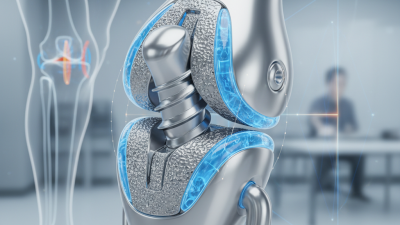
In the rapidly evolving field of medical technology, patient‑focused implant design is paramount. As we approach 2026, the healthcare industry must rethink its strategies to prioritize patient needs and experiences. The integration of innovative materials and user-centered features can greatly influence patient satisfaction.
Many designs currently fall short in addressing individual preferences. Issues like implant comfort and aesthetic appeal often receive insufficient attention. A successful approach requires collaboration among engineers, clinicians, and patients to gather diverse insights. By actively involving users in the design process, the risks of oversight decrease, leading to more effective solutions.
Additionally, as we innovate, ethical considerations must be at the forefront. Navigating the complexities of patient feedback and regulation is challenging. Are we truly meeting patient expectations? A holistic view—balancing functionality with experience—remains essential for future advancement in patient‑focused implant design.

Understanding Patient-Centricity in Implant Design
In 2026, achieving patient-focused implant design hinges on understanding patient-centricity. This approach requires deep empathy for the patient's experience during the implantation process. Every detail matters, from the material used to the shape and functionality of the implant. Engage with patients regularly to gather insights. Speak directly to them about their needs and pain points. The more we understand, the better we can design.
Consider integrating user feedback into every phase of development. This ensures designs align with real-life use and expectations. Awareness of how implants affect daily activities can drive improvements. It’s crucial to recall that designs should not only be innovative but also intuitive for patients. Ask for their thoughts on usability and comfort.
Developing a patient-centric approach can uncover flaws in current designs. Not every implant meets all needs equally. Learning from patients can highlight areas for improvement. Being adaptable can lead to better outcomes. Every critique is an opportunity for growth. Engage with varied demographics to ensure inclusivity in design. Stay receptive to feedback and maintain a cycle of continual enhancement.
How to Achieve Patient Focused Implant Design in 2026?
Key Trends Influencing Implant Design in 2026
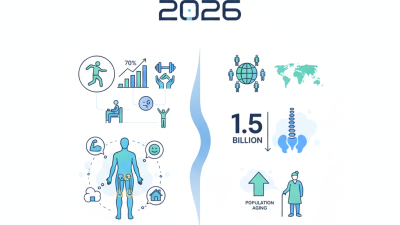
As we approach 2026, several key trends will shape patient-focused implant design. A significant shift towards personalization is taking center stage. According to a report by Industry Insights, 72% of patients prefer customized implants that match their specific needs and anatomy. This customization enhances the comfort and functionality of the implants, thereby improving patient satisfaction.
Another influential trend is the integration of smart technology into implant designs. Reports indicate that over 40% of medical devices will incorporate IoT capabilities by 2026. This allows for real-time monitoring and adjustments, paving the way for enhanced outcomes. However, the rush to implement these technologies raises valid concerns about data security and patient privacy, which should not be overlooked.
Moreover, sustainability is increasingly becoming a priority in the design process. With the medical field generating significant waste, the demand for eco-friendly materials is growing. A survey from EcoMed found that 64% of healthcare professionals believe sustainable practices will be essential in implant design by 2026. While this trend is promising, balancing sustainability with performance and safety remains a challenge for designers and manufacturers.
Incorporating Patient Feedback in Design Processes
Incorporating patient feedback into implant design is essential for creating products that truly meet user needs. Listening to patients provides insights that might be overlooked by design teams. Real-life experiences of patients can highlight issues with comfort, usability, and aesthetics. For instance, a patient might share how the shape of an implant feels during daily activities. This feedback can steer the design process toward more ergonomic solutions.
Validation studies show that patients often have unique perspectives on their treatment options. Engaging with them can uncover desires for features such as adjustability or ease of maintenance. Yet, collecting feedback can be challenging. Some patients may not articulate their needs clearly. Others might feel overwhelmed or forgetful during consultations. Designing an effective survey or feedback mechanism is not straightforward.
Understanding these obstacles is crucial. The goal is to create a collaborative space where patients feel valued. This environment encourages honest dialogue. Designers should be trained to interpret feedback constructively. Some suggestions might lead to viable improvements, while others may need more exploration. A critical reflection on this process can yield significant advancements in patient-focused designs.
Technologies Enhancing Patient-Focused Implant Solutions
In 2026, implant design will increasingly rely on advanced technologies that prioritize patient needs. Innovations in 3D printing are revolutionizing how implants are created, allowing for tailored structures. Patients will benefit from designs that fit their unique anatomy. This custom approach enhances comfort and promotes better integration with the body.
Artificial intelligence (AI) is another game changer. AI algorithms can analyze vast amounts of medical data to predict outcomes effectively. This predictive capability leads to more successful implant placements. However, reliance on these technologies raises questions about training and oversight. Ensuring medical professionals are well-versed in using AI and 3D printing is essential.
Digital tools such as virtual reality (VR) also contribute to patient-centered designs. Through VR, patients can visualize their implants before surgery, reducing anxiety and improving satisfaction. While the potential is exciting, the challenge lies in the accessibility of these technologies. Not all facilities may have the resources to implement them, creating disparities in implant care. This reality calls for a careful examination of how we can make advanced solutions available to all patients.
Regulatory Considerations for Patient-Centered Implant Development
Regulatory considerations play a vital role in developing patient-centered implants. As the industry shifts towards personalization, regulations need to adapt. The FDA emphasizes safety and effectiveness in its guidelines for implantable devices. In a recent report, around 70% of patients expressed a preference for personalized implants tailored to their unique anatomical requirements. This trend signals a need for manufacturers to innovate while adhering to regulatory standards.
An essential aspect of patient-focused design is understanding patient feedback during the development process. Engaging patients can reveal insights into their experiences and expectations. A study showed that involving patients in design discussions can increase satisfaction rates by 30%. As regulations evolve, ensuring that this feedback is incorporated into the design process could be crucial for success.
Developers should prioritize transparency in their processes. Patients value honesty about the benefits and risks of implants. Providing detailed information can build trust. In 2024, it was reported that over 50% of patients would reconsider their choices if they felt better informed. Regular collaboration with regulatory bodies can also ensure alignment with existing and evolving guidelines. Balancing innovation with compliance is challenging yet necessary for achieving successful patient-focused implant designs.