China Top Inulin Powder Manufacturer for Global Buyers
China Top Inulin Powder Manufacturer for Global Buyers introduces a practical route to reliable prebiotic ingredient sourcing. China has developed strong capabilities in chicory processing, spray drying, quality control, and export documentation. Yet manufacturing scale alone does not guarantee consistent Inulin Powder.
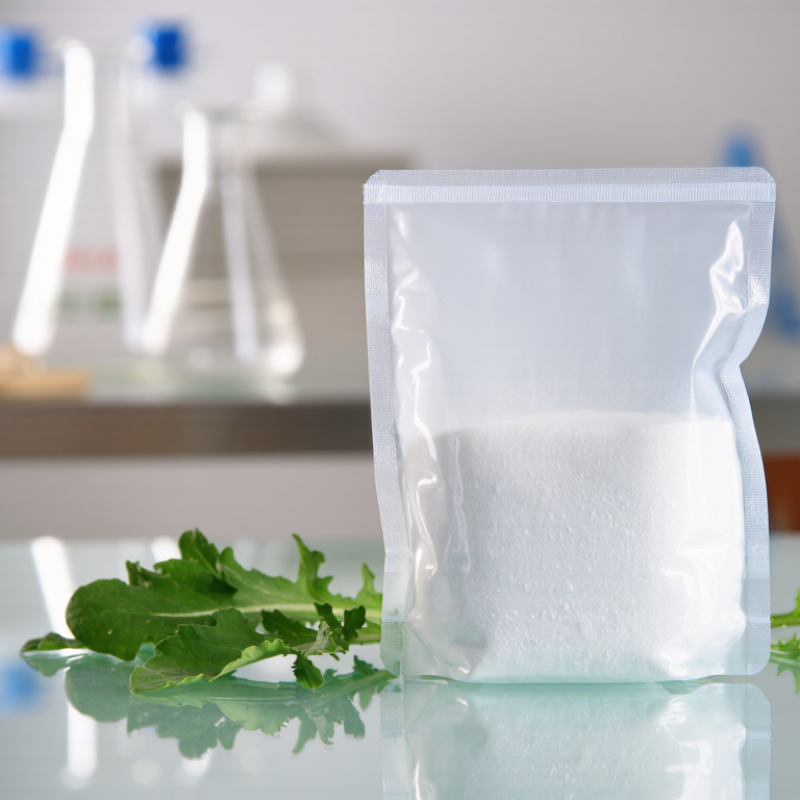
A qualified supplier should explain the raw material clearly. Is the inulin made from chicory roots? What is the average degree of polymerization? Buyers should review the certificate of analysis, microbiological results, heavy metal limits, allergen statements, and batch traceability. A clean, well-sealed sample pouch matters too. It shows how the material behaves during storage and transport.
Professor Glenn R. Gibson, a widely cited prebiotic researcher, described a prebiotic as “a selectively fermented ingredient that allows specific changes in the composition or activity of the gastrointestinal microflora.” This definition reminds buyers that Inulin Powder is more than a white, soluble powder. Its functional value depends on purity, fermentability, dosage, and application.
Consistency is the real test.
Experienced manufacturers normally support pilot trials, technical data, stable packaging, and transparent communication. They should also clarify whether the product is suitable for beverages, dairy alternatives, nutrition bars, or dietary supplements. Some suppliers promise too much. That deserves reflection.
A responsible China manufacturer will not hide variation between batches. It will discuss moisture, solubility, taste, and storage conditions honestly. Global buyers also need current regulatory documents for their target markets. No single specification fits every country. For this reason, supplier evaluation should combine factory experience, laboratory evidence, customer feedback, and independent verification. This introduction examines those practical standards before recommending an Inulin Powder partner.
What Is Inulin Powder and Why Does Its Quality Matter?
Inulin powder is a soluble dietary fiber, commonly extracted from chicory root. It has a mild taste and can add body to beverages, dairy products, nutrition bars, and baked foods. Its performance depends on chain length, purity, moisture, and processing conditions. A powder that looks clean may still perform poorly in a finished formula.
Quality matters in practical ways. Consistent inulin should dissolve evenly, show stable color, and maintain predictable texture from batch to batch. Buyers should review dietary fiber content, microbiological results, moisture levels, heavy metal limits, pesticide controls, and allergen information. Testing must follow recognized methods and the requirements of the destination market. Clear batch records and traceable raw materials also support reliable purchasing decisions.
Manufacturing experience reveals small details. A poorly sealed bag may develop lumps during humid sea transport. Excessive heat can affect handling and solubility. Packaging, warehouse humidity, and shipping time deserve the same attention as laboratory data. Not every variation signals a defect. Specifications need context. Some buyers focus only on purity, then discover that particle size affects their filling line. Trial samples, technical documents, and independent verification can reduce that risk. Still, no supplier can remove every uncertainty. Product testing under real application conditions remains necessary.
How Is Inulin Powder Produced and Standardized?
Inulin powder production usually begins with carefully selected chicory roots. It starts simply. Roots are washed, inspected, and sliced before hot-water extraction. The water releases inulin, while controlled temperatures help protect its natural structure. The extract then passes through filtration and purification stages to remove proteins, minerals, color, and unwanted particles.
The purified liquid is concentrated under reduced pressure. Spray drying converts it into a fine, free-flowing powder. Milling and sieving help control particle size for beverages, nutrition products, and food applications. Small details matter. Excessive heat may affect solubility and color. Poor drying control can create lumps and uneven moisture.
Standardization requires more than testing inulin percentage. Reliable laboratories commonly examine degree of polymerization, moisture, ash, pH, microbiological limits, heavy metals, and pesticide residues. HPLC or related analytical methods can help verify fructan content. Each production lot should have traceable records, including raw material origin, extraction conditions, and test results.
No batch is perfectly identical. Chicory variety, harvest conditions, and storage time can influence the final powder. That variability deserves honest evaluation, not vague promises. Experienced manufacturers compare results against defined specifications and investigate deviations before shipment. Buyers should request current certificates of analysis, sampling procedures, and stability information. A clean appearance is useful, but it cannot replace laboratory evidence.
What Makes a Reliable China-Based Inulin Powder Manufacturer?
What Makes a Reliable China-Based Inulin Powder Manufacturer?
A reliable China-based inulin powder manufacturer proves quality through repeatable production, not attractive promises. Grand View Research reports that the global inulin market is expanding at an annual rate above 8%. This growth increases pressure on suppliers to deliver consistent fiber content, clean labels, and stable exports. Buyers should request current specifications, production experience, and traceable batch records.
Look for evidence.
A strong manufacturer should provide certificates of analysis for every lot. These documents should show inulin content, moisture, microbiological limits, heavy metals, and allergen status. Testing should come from qualified laboratories, with methods clearly identified. ISO 22000 or HACCP-based controls add value, but certificates alone prove little. The process behind them matters more.
The 2024 Ceresana market analysis also identifies food and dietary nutrition as major demand areas for inulin. That demand makes formulation support important. Experienced technical staff can explain solubility, sweetness, particle size, and storage behavior. Ask how the factory manages temperature and humidity during packing. A sealed bag may still fail if warehouse conditions are poor. No supplier is flawless. Missing records, delayed answers, or vague test methods deserve careful reflection before purchase. Reliability becomes visible when a manufacturer communicates problems early and corrects them with documented action.
China Top Inulin Powder Manufacturer for Global Buyers
What Makes a Reliable China-Based Inulin Powder Manufacturer?
Reliable buyers should compare documented quality benchmarks rather than rely only on marketing claims. A food-grade inulin supplier commonly provides a product specification showing approximately 90% or more inulin, moisture limits around 5% maximum, and ash limits around 0.2% maximum. For EU market positioning, the legal thresholds for “source of fibre” and “high fibre” claims are 3 g and 6 g of fibre per 100 g of food, respectively. Buyers should also request batch-specific certificates of analysis, microbiological results, allergen statements, traceability records, and applicable food-safety certification.
References: Regulation (EC) No 1924/2006 on nutrition and health claims; values shown for inulin content, moisture, and ash are commonly used food-grade purchasing benchmarks and should be confirmed against the supplier’s current specification.
Which Quality, Safety, and Certification Standards Should Buyers Check?
China Top Inulin Powder Manufacturer for Global Buyers
Which Quality, Safety, and Certification Standards Should Buyers Check?
Choosing an inulin powder supplier requires more than comparing price and purity claims. WHO’s 2015 global report estimated 600 million foodborne illnesses and 420,000 deaths each year. Food safety must remain measurable, not promotional.
Ask for recent batch records showing inulin content, dietary fiber, moisture, ash, pH, and degree of polymerization. Microbiology results should cover total plate count, yeast, mold, Salmonella, and E. coli. Heavy metals, pesticides, allergens, and residual solvents also deserve documented limits. A clear certificate of analysis should match the shipped batch number. Small detail. Big difference.
Verify HACCP and ISO 22000 or FSSC 22000 systems, then check their scope and expiry dates. A certificate alone does not prove every batch. Request third-party laboratory testing under ISO/IEC 17025, plus traceability from raw material to sealed carton. Review storage conditions, packaging liners, lot coding, and recall procedures. Buyers should also confirm halal, kosher, organic, or non-GMO claims through valid certification when required. The Codex General Principles of Food Hygiene, revised in 2022, supports preventive controls and documented verification. Supplier audits remain useful, but they are imperfect. Product testing should challenge comfortable assumptions.
How Can Global Buyers Evaluate Supply, Packaging, and Export Services?
Global buyers evaluating an inulin powder manufacturer in China should examine supply capability beyond a polished brochure. Request recent batch records, certificates of analysis, allergen statements, and traceability details. A reliable supplier should explain raw material sources, production capacity, minimum order quantities, and realistic lead times. Ask how the company handles seasonal shortages or unexpected quality deviations. These answers reveal practical experience.
Packaging needs equal attention. Confirm whether the powder is packed in food-grade bags, fiber drums, or customized containers. Check the inner liner, moisture barrier, sealing method, and net weight tolerance. Inulin can absorb moisture, so poor sealing may cause caking during long-distance transport. Request photos of pallet loading and packaging tests. Small details matter. A sample package may look excellent, yet export cartons can fail under humidity or stacking pressure.
Export service should include clear documentation and responsive communication. Verify support for certificates, commercial invoices, packing lists, shipping marks, and destination-specific labeling. Discuss Incoterms, port options, inspection procedures, and responsibility for damaged goods before placing an order. Stable exporters usually provide shipment updates and retain batch samples. Still, no supplier is perfect. Delays happen, and documents may need correction. Buyers should test communication with a small trial order and record every agreed specification in writing. That modest step can prevent expensive misunderstandings later.


