What Are the Best Sports Injury Surgical Devices from China?

Choosing the right Sports injury surgical devices from China requires more than comparing prices or polished product photographs. Hospitals must examine clinical evidence, manufacturing consistency, sterilization controls, traceability, and surgeon usability. Relevant products may include arthroscopy systems, suture anchors, interference screws, orthopedic drills, fixation plates, and ligament reconstruction instruments. Each device should match the injury, procedure, and patient anatomy.

Orthopedic surgeon Dr. James R. Andrews has emphasized, “The goal is to get athletes back safely, not simply quickly.” That principle should guide every device assessment. A dependable supplier should provide technical files, material specifications, quality certificates, and clear instructions for use. Independent testing and local regulatory registration also deserve close attention. ISO 13485 certification helps, but it does not replace clinical judgment or hospital-level evaluation.

Real-world details matter. Can the anchor deploy smoothly through a narrow portal? Does the drill maintain stable torque during repeated use? Are replacement parts available when an operating-room tray is incomplete? These questions reveal weaknesses that brochures often hide. Not every affordable device is a bargain. Not every imported system is superior.

This article will compare leading Chinese manufacturers through product design, surgical performance, evidence quality, service support, and value. It will also recognize uncertainty. Public clinical data may differ between product categories, and some claims require stronger independent research. The best choice is not always the newest device. It is the device that performs predictably, supports safe surgery, and fits the team’s actual experience.
What Are the Best Sports Injury Surgical Devices from China?

Types of Sports Injury Surgical Devices Made in China

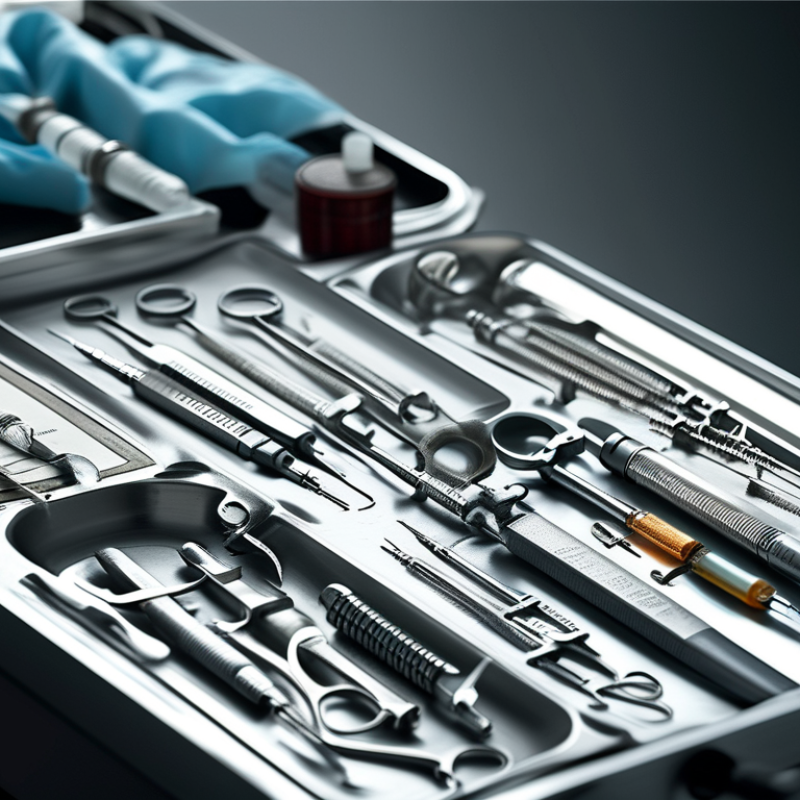
China produces a broad range of sports injury surgical devices, from arthroscopy instruments to internal fixation implants. Arthroscopic systems support minimally invasive knee, shoulder, and ankle procedures. Common tools include cameras, shavers, graspers, and fluid pumps. For ligament repair, surgeons may use suture anchors, interference screws, and flexible graft-passing devices. Fracture treatment often requires cannulated screws, locking plates, intramedullary nails, and external fixation frames.

The sports medicine market reached about USD 8.46 billion in 2023, according to Fortune Business Insights’ 2024 market report. Demand is rising for smaller instruments and faster rehabilitation pathways. Chinese suppliers also manufacture powered drills, radiofrequency probes, surgical navigation tools, and sterile single-use accessories. Their strengths often include broad production capacity, customized dimensions, and competitive pricing. However, factory scale does not prove clinical quality.

Device selection needs more than a catalogue review. Clinical teams should examine fatigue testing, sterilization validation, material certificates, and post-market surveillance records. The China National Medical Products Administration requires registration evidence for regulated medical devices, but documentation still needs careful checking. A cheap anchor can become expensive if insertion strength is inconsistent. That risk is real. Surgeon feedback and simulated-use testing matter. Grand View Research estimated the global orthopedic devices market at over USD 45 billion in 2023. Yet market growth does not guarantee better outcomes. Some product designs still need longer clinical follow-up.
What Are the Best Sports Injury Surgical Devices from China?

Types of sports injury surgical devices commonly manufactured in China, ranked by their breadth of use across routine sports-trauma procedures.

The application-breadth index is a comparative 1–5 scale based on the number of common orthopedic and sports-trauma procedures each device category can support. It is not a market-share, sales, or clinical-outcome ranking. Actual product selection should consider material quality, sterilization, dimensional accuracy, biocompatibility, regulatory clearance, and surgeon preference.

Key Features and Technologies in Chinese Surgical Devices

Chinese sports injury surgical devices increasingly combine practical engineering with digitally assisted technologies. Key features include lightweight handpieces, textured grips, and modular components for arthroscopic procedures. These details matter during long operations, when a slippery handle can affect precision.

Many systems use high-definition imaging, narrow-profile instruments, and controlled energy delivery. Arthroscopy towers may provide clearer visualization of cartilage, ligaments, and small bone fragments. Some instruments include sensors that monitor pressure, temperature, or insertion depth. Such feedback can help surgeons reduce unnecessary tissue contact, although accuracy depends on calibration and clinical training.

Reliable manufacturers usually document material composition, cleaning instructions, batch traceability, and performance testing. Stainless steel, titanium, and medical-grade polymers are selected for strength and repeated sterilization. In my experience, intuitive controls often matter more than impressive specifications. A compact shaver may perform well, yet an awkward foot pedal can slow the procedure. Not every design is perfect.

Surgeons and hospital technicians should assess compatibility with existing imaging systems, sterilizers, and operating-room workflows. Clinical evidence, user training, maintenance support, and transparent regulatory documentation deserve equal attention. A device can look advanced on paper but feel different under surgical pressure. Hands-on evaluation remains essential.

What Are the Best Sports Injury Surgical Devices from China? - Key Features and Technologies in Chinese Surgical Devices

Device Category Typical Sports Injury Application Common Materials Key Features and Technologies Main Clinical Benefit Important Evaluation Criteria Relevant Quality and Safety Considerations
Arthroscopy Camera and Visualization System Knee, shoulder, ankle, hip, and wrist arthroscopy for ligament, cartilage, and meniscal procedures. Optical glass, medical-grade polymers, stainless steel, and electronic imaging components. High-definition or 4K imaging, image capture, LED illumination, white-balance control, and compatibility with arthroscopic optics. Improves visualization of intra-articular anatomy through small portals. Image resolution, color accuracy, field of view, light intensity, sterilization method, and interoperability. Electrical safety, electromagnetic compatibility, optical performance, software validation, and validated reprocessing instructions.
Arthroscopic Fluid Management Pump Joint distension and visualization during knee, shoulder, ankle, and hip arthroscopy. Medical-grade tubing, silicone or thermoplastic components, stainless steel, and electronic control modules. Adjustable inflow and outflow, pressure monitoring, automatic pressure control, alarm functions, and disposable fluid paths. Maintains a clear surgical field and helps control joint pressure during arthroscopy. Pressure accuracy, flow range, occlusion response, alarm reliability, tubing compatibility, and ease of cleaning. Fluid-path biocompatibility, leakage testing, electrical safety, pressure-limit verification, and single-use component control.
Arthroscopic Shaver System Removal of damaged meniscus, synovial tissue, loose cartilage, and soft tissue during minimally invasive procedures. Stainless steel cutting blades, medical-grade polymers, and reusable or disposable handpiece components. Variable-speed motor, forward and reverse rotation, interchangeable blade profiles, suction integration, and foot-pedal control. Enables controlled tissue resection through small arthroscopic access points. Cutting efficiency, vibration, torque, suction consistency, blade durability, and compatibility with the console. Blade integrity, particulate control, sterilization validation, electrical safety, and prevention of unintended activation.
Radiofrequency Ablation and Electrosurgical Probe Soft-tissue coagulation, synovial treatment, and controlled tissue removal in arthroscopic surgery. Conductive metals, ceramic or polymer insulation, and medical-grade cable assemblies. Monopolar or bipolar energy delivery, temperature or power control, insulated shafts, and electrode-specific tip designs. Supports hemostasis and precise treatment of selected soft tissues. Energy output accuracy, thermal spread, tip visibility, insulation quality, and generator compatibility. Thermal safety, leakage current, insulation testing, electromagnetic compatibility, and validated instructions for use.
Suture Anchor System Rotator cuff repair, labral repair, capsular stabilization, and selected ligament or tendon reattachment procedures. Titanium alloy, polyether ether ketone, bioabsorbable polymers, and high-strength surgical sutures. Knotless or knotted fixation, small-diameter anchors, preloaded sutures, screw-in or push-in insertion, and radiopaque markers where applicable. Provides soft-tissue fixation to bone through minimally invasive techniques. Pull-out strength, cyclic loading performance, insertion control, suture abrasion resistance, and anchor size range. Biocompatibility, sterilization, particulate generation, degradation profile for absorbable materials, and MRI labeling where relevant.
Interference Screw Fixation of grafts during anterior cruciate ligament and other ligament reconstruction procedures. Titanium alloy or bioabsorbable polymers such as poly-lactic-based materials, depending on the device design. Threaded fixation, self-tapping features, cannulated delivery, size-specific instrumentation, and radiographic marker options. Compresses a tendon or bone-patellar tendon-bone graft within a prepared bone tunnel. Insertion torque, pull-out resistance, thread geometry, graft protection, and compatibility with tunnel dimensions. Material-specific biocompatibility, degradation testing for absorbable products, sterilization, and imaging considerations.
Cannulated Drill and Guide System Creation of bone tunnels and pilot holes for ligament reconstruction, tendon fixation, and fracture-related sports surgery. Stainless steel, cobalt-chromium alloys, aluminum components, and medical-grade polymers. Hollow drill shafts, calibrated markings, guide pins, adjustable angles, and modular instrument trays. Improves tunnel placement accuracy and supports minimally invasive bone preparation. Dimensional accuracy, runout, cutting performance, guide stability, corrosion resistance, and repeated sterilization durability. Material traceability, cleaning validation, sterilization compatibility, sharpness control, and instrument inspection procedures.
Sports Trauma Plate and Screw System Fixation of clavicle, ankle, wrist, patella, and other fractures associated with sports trauma. Titanium alloy, stainless steel, and cobalt-chromium alloy, depending on the fixation system. Anatomical plate contours, locking and non-locking screw options, low-profile designs, and compression or bridging features. Stabilizes fractures while allowing planned bone healing and early rehabilitation when clinically appropriate. Mechanical strength, fatigue resistance, contour accuracy, screw locking reliability, and instrument compatibility. Implant biocompatibility, corrosion resistance, sterilization, fatigue testing, and MRI safety information.
Intramedullary Nail System Selected femoral, tibial, and other long-bone fractures caused by high-impact sports injuries. Titanium alloy or stainless steel with compatible locking screws and end caps. Proximal and distal locking options, radiographic targeting features, multiple diameters and lengths, and cannulated insertion. Provides internal alignment and load-sharing stabilization for suitable long-bone fractures. Bending and fatigue strength, locking accuracy, dimensional consistency, insertion instrumentation, and imaging visibility. Implant fatigue testing, corrosion resistance, biocompatibility, sterilization, and validated surgical technique.
External Fixation System Temporary or definitive stabilization of complex fractures and soft-tissue injuries around the ankle, tibia, and other extremities. Stainless steel, titanium alloy, carbon-fiber composite rods, aluminum, and medical-grade polymers. Modular clamps, adjustable rods, radiolucent components, multiplanar frame configurations, and pin or wire fixation. Allows stabilization while providing access to injured soft tissue for wound care or reconstruction. Frame stiffness, clamp security, adjustability, radiographic compatibility, pin fixation options, and assembly efficiency. Material strength, corrosion resistance, pin-site care requirements, sterilization, and mechanical verification of assembled frames.

Note: Device selection should be based on the injury pattern, surgical technique, patient factors, applicable regulatory approval, clinical evidence, and the healthcare facility’s sterilization and maintenance capabilities.

How to Evaluate Quality, Safety, and Clinical Performance

Choosing sports-injury surgical devices from China requires more than comparing prices or catalog images. Quality begins with traceability, validated manufacturing, and evidence from real clinical use. China’s NMPA registration should match the exact device model and intended procedure. An ISO 13485 certificate is useful, but it is not proof of clinical success. Review ISO 14971 risk files, sterilization validation, biocompatibility testing, and lot-release records. The WHO Global Patient Safety Action Plan 2021–2030 reports that about one in ten patients experiences harm during healthcare. That figure makes documentation and risk control impossible to ignore.

Clinical performance needs measurable outcomes. Ask for peer-reviewed studies, follow-up periods, revision rates, infection rates, implant migration, and return-to-sport data. Results should reflect athletes with similar injuries, ages, and activity levels. Testing under ASTM or ISO methods can assess fatigue, pull-out strength, wear, and corrosion. Yet laboratory strength may not predict performance inside a moving knee or shoulder. That gap deserves honest discussion. No checklist is flawless.

Tips: Request anonymized case data and adverse-event records. Verify whether studies were independent, prospective, and ethically approved. Inspect sample packaging for intact seals, clear labeling, and expiry dates. Confirm surgeon training and instrument compatibility before purchase. WHO data supports stronger safety systems, while post-market surveillance shows whether performance continues after launch. A device with elegant engineering but weak follow-up evidence remains an uncertainty.

Leading Applications in Orthopedic Sports Injury Surgery

What Are the Best Sports Injury Surgical Devices from China?

China’s orthopedic device sector now supports several practical applications in sports injury surgery. Arthroscopic instruments help surgeons inspect damaged knees through small portals. Suture anchors repair torn rotator cuffs and labral tissue. Interference screws secure ligament grafts inside bone tunnels, especially during ACL reconstruction. Cannulated screws and plates assist fracture fixation around the ankle, shoulder, and wrist.

The need is substantial. The World Health Organization reports that about 1.71 billion people live with musculoskeletal conditions worldwide. The Global Burden of Disease Study 2019 also identifies low back pain as the leading contributor to disability. These figures do not measure sports injuries directly, but they show the pressure on orthopedic services. In China, manufacturers increasingly provide titanium fixation systems, polymer implants, surgical drills, and disposable arthroscopy tools for hospitals and specialized centers.

Material choice matters.

Surgeons should examine fatigue strength, corrosion resistance, sterilization compatibility, and imaging performance. ISO 13485 certification and documented clinical evidence add practical confidence. However, certification alone does not prove superior patient outcomes. A 2024 orthopedic devices market report from MarketsandMarkets highlights continued growth in minimally invasive procedures, yet market forecasts can overstate real clinical adoption. Device selection still depends on anatomy, surgeon experience, rehabilitation access, and revision planning. A lower purchase price may become expensive if instruments wear quickly or implants complicate follow-up surgery. In my view, stronger independent, long-term Chinese clinical data would make comparisons more reliable.

Choosing the Right Chinese Device for Medical Practice

Choosing a Chinese sports injury surgical device should begin with clinical fit, not country of origin. Arthroscopy systems, fixation tools, and surgical anchors serve different procedures. MarketsandMarkets estimates the global sports medicine market may reach about USD 11.4 billion by 2029. That growth increases choice, but also increases evaluation pressure.

Start with evidence. Request sterilization validation, biocompatibility data, fatigue testing, and ISO 13485 certification records. Confirm the device’s registration status with China’s National Medical Products Administration. For international practice, check local approval requirements separately. A certificate alone is not enough. Ask for peer-reviewed studies, adverse-event histories, and clear instructions for use. WHO reports that one in ten patients experiences harm during healthcare, with many incidents considered preventable. Device selection deserves this level of caution.

In daily practice, test handling before purchase. Hold the instrument with wet gloves. Check trigger resistance, visibility, packaging, and compatibility with existing towers or implants. Review surgeon training, replacement parts, response times, and batch traceability. MarketsandMarkets also identifies technology adoption and minimally invasive procedures as major market drivers. Yet a lower quote can still become expensive when training or repairs are weak. No checklist is perfect. I still recheck documentation after a successful trial, because early confidence can hide small failures. Choose the Chinese device that offers measurable clinical value, stable quality control, and support your team can verify.

volume-unmute-yellow-icon volume-unmute-blue-icon